

Helping new investors determine if Short, Mid, or Long-Term rentals are best for them and how to proceed as a Short-Term rental investor.
* Disclosure – I am not an Attorney, CPA, Rental Manager or Mortgage Lender. I am an NC licensed Real Estate Advisor.

I’m almost embarrassed to say that I have been a Realtor for over 20 years and it wasn’t that long ago the acronym ‘STR’ came up in conversation. While I knew of the concept of Short-Term rentals or Vacation rentals it wasn’t a sector that I had explored for myself or my clients until the past few years.
At this point I have two STRs, am in the process of buying a third, I have one long term rental and two commercial properties. I can tell you without a doubt that the most money can be made on the STRs! Let’s dive into what an STR is and how you can get started as an investor.
Alphabet Soup – Comparing Short- Mid- and Long-Term Rentals
When most people who think about being a landlord, they think of purchasing a property and having a renter move in for several months. Over the last several years that concept has been expanded to Mid- and Short-Term rentals. Many people are now purchasing properties to attract renters with other needs such as vacationers, or those who are working in town for several weeks. The properties that are set up as Short-Term rentals generally bring in three times the monthly income than Long-Term rentals, and Mid-Term rentals on average bring in two times a month than the Long-Term rentals.
See below for the three types of rental options landlords have now:
Short-Term Rental (STR) – 1-30 day rental / Furnished / Typically earn 3X’s LTR’s
Mid-Term Rental (MTR) – 31 days – 6 months rental / Furnished / Typically earns 2X’s LTR’s
Long-Term Rental (LTR) / 6 months+ rental Usually Unfurnished
How do you decide? Ask yourself:
- What are my goals with this investment?
- How long do I plan to hold the investment?
- How much time do I want to spend managing?
- Do I want to furnish the property?
- How much return on the investment is desired?
What is a Short-Term Rental?
An STR is a property that is leased for under 30 days. It is ideal for tenants who may be relocating to the area. Visiting family or friends. Just in town for business for a few weeks. Or awaiting the completion of their new home.
Sometimes you will hear people refer to them as AirBNBs, VRBOs or Vacation rentals and they can be a condo, townhouse, detached property or even a room in a house that is occupied. They do not refer to commercial properties though.
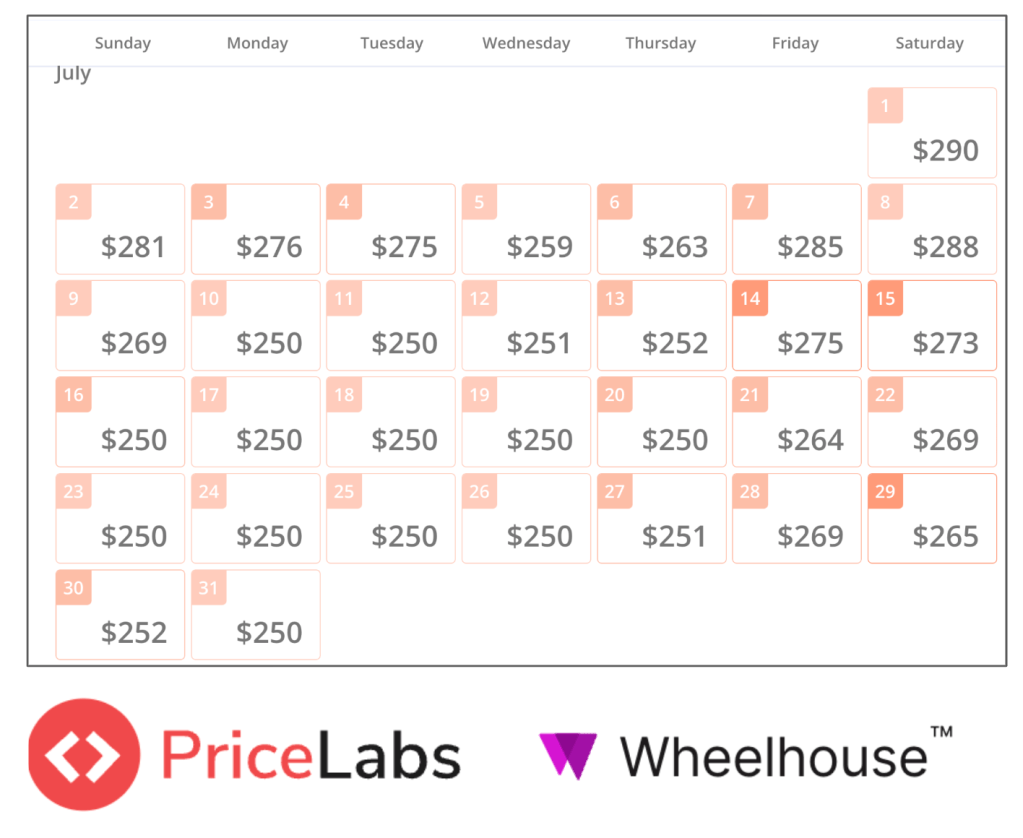
One big difference from other types of rentals is that the price to stay per night can fluctuate daily with STRs.
Why People Choose STRs Over Hotels

When you’re heading on vacation why would you choose an STR over a hotel? Each options offers a different experience that can enhance your trip. Hotels provide a greater sense of luxury and are usually in prime locations, while vacation rentals provide more privacy, better value, and a chance to ‘live like a local’. Here’s the lowdown on short term rentals vs hotels:
Hotel Advantages:
- Services to Pamper You – Spa, gym, concierge service
- Hotel Chains – Consistency in you know what you are getting
- Good Service – Someone onsite to help with you immediate needs
- Location – Most hotels are in high traffic areas close to desired locations
STR Advantages:
- Feels Like Home – Should have all the comforts of home while away.
- Great for Longer Stays – Get to know a community
- Big Savings – Being able to do things like cook for yourself and do laundry.
STR Ownership PROs

Staying at an STR is one thing, owning an STR is a whole different ball game. STRs require more time than most people think however the payoff is often worth it. Here are some of the reasons people like to invest in these properties:
- Flexibility – You choose the dates and length of stay. Rent as much or as little as you want.
- Brings in More Cash than a Long-Term Rental – It’s easy to do the math: Potentially $1500 a WEEK for STR vs $1500 a MONTH for LTR.
- Deductions – There are lots of common deductions for Rental Owners. Cleaning, Maintenance, Insurance, Management Fees, and Utilities are just a few.
- Tax Breaks – The best home related tax breaks go to Short-Term Rental Owners. Be sure to know the tax laws of your state. Go to IRS Tax Topics-Renting Your Home to learn more.
- Less Wear and Tear on the Property – With renters going in and out frequently, you can keep up on small repairs before they turn into big problems.
STR Ownership CONs
As with every situation when you have Pros you have Cons. Read below for some reasons that STR investing might not be for you.

- Less Consistency in Payments – If you are banking on a steady income, a yearly renter is much more of a sure thing. There is a possibility that you may go weeks or months without a Short-Term Renter.
- You Pay Utilities – Long-term renters generally pay utility bills. Short-Term Renters don’t.
- More Risk Involved – Because of the sheer volume of people passing through your doors, there is more likelihood of theft, breakage or problem renters.
- It Takes More Effort to Run a Short-Term Rental – You become the innkeeper. You’ll collect payments, scheduling clients, and doing all the work to bring in renters.
- There are More Maintenance Costs Associated with Short-Term Rental – As the landlord, housekeeping, yard work, pool maintenance and general upkeep fall to you. Not usually so with a long-term renter.
- Some Neighborhoods with HOAs make it difficult and to Rent Short-Term – Let’s face it, your neighbors might get mad at you. They want quiet, comfortable surroundings where they feel safe and know everyone and many Home Owners Associations will not allow them. Especially in condos and townhouses. *Be SURE to CHECK the HOA rules before purchasing a property that you intend to make an STR.
The 14 Day Rule – STR Taxes
Vacation rental tax rules are complex. That’s because Uncle Sam’s bill depends on how much time you spend renting your home to guests versus using it yourself. Your tax bill depends on the amount of time you (or your friends and family) stay at your vacation home vs how often you rent it. If you rent your home for 14 days or less per year, you won’t have to pay vacation rental taxes—though you won’t be able to deduct any rental-related expenses, either.
According to the IRS, your vacation home is classified as a residence (rather than a business) if you use it yourself for more than the greater of 14 days per year or 10% of the total days you rent it to others at a fair rental price.

Would Your Property Be Better as a Mid-Term Rental?

There are advantages to setting your property up as a Mid-Term rental. These guests stay in your house anywhere from 30 days to six months. Read below why this might be a good compromise for your unit.
- More occupancy days than an STR rental.
- Tenants will pay a higher monthly amount than for a LTR for a property that’s fully furnished.
- When compared to a Short-Term Renter, your property will require less guest communications and cleanings, which leads to more passive income.
- Tenants are typically professionals who are working remotely – Medical, Airline, Military, Construction, etc.
- Tenants are sometimes housed by their supervisors for temporary remote work which means they will more likely be on their best behavior.
- Tenants still have their primary residence in another city, making it far less risky for them to squat in a property since they still have a home to return to.
Is Long-Term Renting Best for Me?
While STRs bring in more money, they also are more work. LTRs can be a great way to build wealth without putting in as much effort. See below why an LTR may be your best option:

- You can ensure a fixed monthly income throughout the entire year making the most significant benefit of choosing to rent long term.
- In addition, residents pay for their utilities, such as electricity, gas, WiFi, and water.
- There is little left to manage – no more cleaning, marketing, grass cutting or worrying about the fluctuating rental market.
- Since residents usually bring in their furniture, you don’t have to spend a lot of money on furnishings for the house.
- Before tenants move in, you get a security deposit to ease any worries about property damage.
- Typically, long-term tenants secure a year-long lease. That means less turnover and less hassle.
What to Look for in an STR

If you are going to compete against hotels that offer lots of convenience you need a real WOW on your property! People want communities with amenities. Golf courses, walking trails, easy access to ski lifts or close proximity to shops.
As far as the property is concerned, look for houses with pools or hot tubs. Water or mountain views are always winners and how about the outdoor space? One big advantage of STRs over hotels is that the guests get to enjoy the yard. Make sure the property allows you to make an oasis for them with plenty of seating, and maybe a grill or fire pit.
And last, but certainly not least, double check that the community will allow short-term rentals. Many do not with townhouses and condos being the most stringent. Be sure to check the covenants before purchasing!
Where Do I Find the Property?

Use a Realtor! Real estate professionals have a thumb on the pulse of homes coming on the market that could be great STRs.
What about your current home? Is there space to put a tiny house in the back? Have rooms you aren’t using that you could rent out?
Do you have a vacation home you only use a few weeks a year and it sits empty for long stretches? Or have you dreamed about a vacation home but thought you couldn’t afford it? This might be your way to not only having a second home, and have others pay for it!
How Can I Know if it Will be Profitable?
You must do an STR Analysis – gather all the information you can about a the property and use it to determine the profitability the property can offer. Things to consider are:

- Potential Income, Rehab Costs, Utilities, Property Manager Fee, Cleaning Fee, Landscapers Fee and other details are the foundation of this analysis.
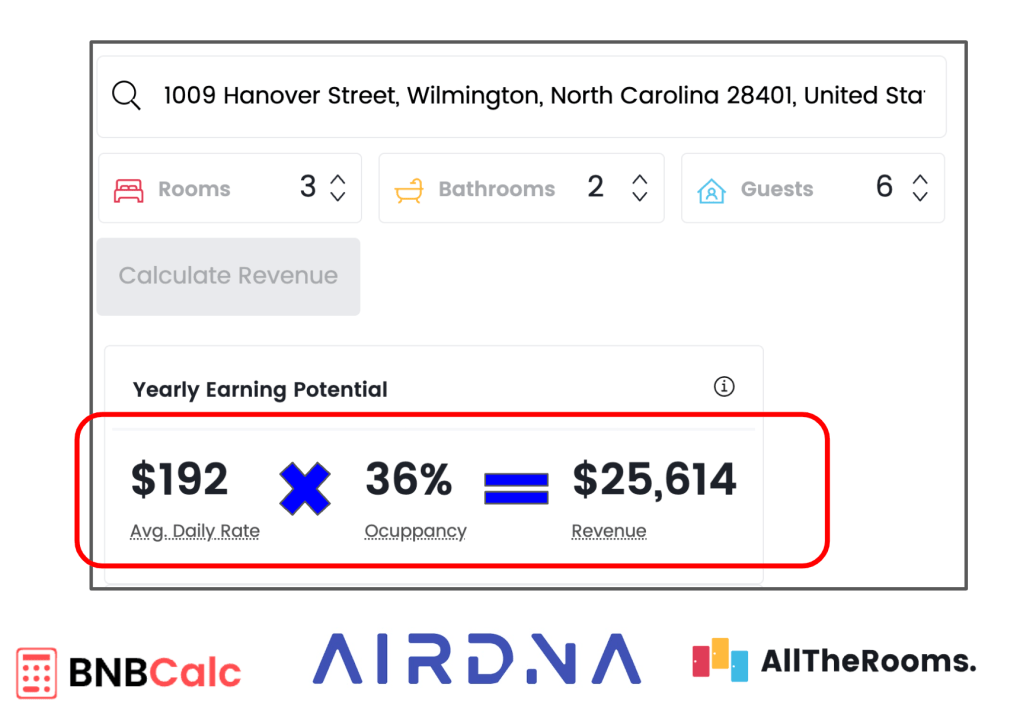
- Look both occupancy rates (the % of nights/month you would have a guest in your property) and average daily rates (the average price a guest pays for a night in your property).
[Occupancy Rate x Calendar Days in Month x Average Daily Rate = Estimated Monthly Income]
- Seasonality measures patterns in data over time. Many STRs experience what is known as annual seasonality, where revenue follows a similar pattern each year. That pattern may mean a huge spike in revenue during the ski season, followed by a slowdown in the spring. Some STRs might have their best months over the summer, followed by a down season come fall. A pattern of peaks and valleys likely occurs every year, so it’s important to factor seasonality into analysis.
Self Manage or a Management Company?
Whether to manage a property yourself or hiring a management company is just one of the decisions you will need to make when starting up your STR. While you can save a lot of money self managing, it also requires a lot of time. What if your property is out of town and and there is a leak in the middle of the night? Here are some things to consider when making this. decision:
Self Manage
- You do all the marketing.
- You can save on cleaning if you do it yourself.
- Need to be available almost 24/7 if something breaks or guest needs you.
- Need strong list of contractors including: 24 hr plumber and HVAC tech, electrician, handyman, landscaper, house cleaner (2 least two).
Property Manager
- Management co handles all calls, cleaning and maintenance & marketing.
- Handles all guest communication.
- Typically charges between 10% and 50% of the total monthly rental income based on what services they are offering.

Helpful STR Analysis Tools
Rather than crunch the numbers the old way, there are several resources available to help you determine whether the potential investment is going to be profitable. A few I like to reference are:
How Much Do I Charge Per Night?
Figuring out how much to charge per night is always a tricky part of setting up your rental. There are two main ways to approach this which are the Market Based Pricing Model and the Cost Based Pricing Model.
Let’s start with the Market Based Pricing Model. What needs to be taken into consider here is the following:
- Location, Location, Location. Location will be the biggest factor to consider when pricing your property.
- Are you renting out an entire home, or a single room? An entire home, apartment, or condo will obviously charge higher nightly rates than a single-bedroom rental.
- Does your property offer any special amenities? Amenities will be a huge factor when it comes to pricing your property. If your property is full of extra amenities, you may want to consider pricing on the higher end of the scale in your area.
- How does your property compare to similar properties in the area? Apart from amenities you offer, how up-to-date is your property?
For the Cost Based Pricing Model the factors you should include to determine costs are:
- Mortgage payments/rent. Add in your monthly mortgage/rent payments to ensure you are covering the bulk of your cost.
- Utilities. Include gas, water, electricity, internet, and any other utility bills.
- Cleaning Costs. Some rental property managers choose to add this in their nightly rate, others choose to add this as an additional cost on top of the nightly fee. If the cleaning fee is included in your nightly rate, be sure to add this to your total costs.
With either approach you can work out a fair price per night dollar amount however there are some tools that make it easier for you!
Helpful STR Nightly Pricing Tools
There are tools available that use algorithms and data analysis to help you set the optimal price for your rental property per night. They use factors such as demand, seasonality, and local events!
Rates fluctuate per night based on activities in the area – sporting events, concerts, college graduations.
With a pricing tool you don’t have to keep up with these schedules and it automatically feeds to AirBNB, VRBO & STR Hosting sites. Two of the most popular are:
Where Do I find Renters? AirBNB & VRBO


Direct Booking Pros & Cons
Some people opt to not use platforms such as VRBO & AirBNB and set up their own Direct Booking Platforms. While these same some money for the host, there are Pros and Cons with taking this approach.
The Pros include no commission fees, better rapport with the guests and the ability to create their own brand image.
The Cons include less visibility for bookings, the guests may be nervous to provide you with their credit card information, additional insurance is required and it could potentially take a lot of your time.
If you choose to go this route, three popular platforms to design your pages are:
Should I Purchase My STR Under an LLC?
One of the main reasons that many property owners create an LLC is that it limits their personal liability if something goes wrong. Lawsuits made against the LLC only affect property that the LLC owns, so a member’s personal property is protected. Establishing an LLC may help avoid double taxation because with single-member and multiple-member LLCs, the business’s income is taxed as personal income of the LLC members.
Moreover, guests may be more likely to choose your rental over others if they see that you’ve taken the extra steps to make your business a separate entity. Lastly, lenders and investors may be more willing to work with an LLC because it is a separate entity.
One of the big drawbacks of establishing an LLC to purchase the property is that you will have to procure a business loan most likely requiring 20% down.
Additionally, on top of filing the articles of organization, you also need to draft an operating agreement and obtain necessary permits. The process can be time-consuming and may require the assistance of a lawyer or accountant (which may add to your overall cost). Also, LLCs are required to file public documents, such as articles of organization and annual reports, which may disclose personal information about the owners or members.

And, depending on where the Short-Term rental property is located, the tax laws may not work in your favor as an LLC Short-Term rental owner. In some states, you may face additional tax liabilities as an LLC business.
Where Do Buyers Get Money for STRs?
Getting the money for your investment property is easy – yes I said it!
Some of the most common places are:
- Regular Mortgage Lenders – 5 year ARMS are popular
- Credit Unions (SECU – Finances NC and all states that touch NC)
- DSCR Loans (Debt Service Coverage Ratio) – No personal income verification. Use the investment’s current or projected rental income to qualify. Need DSCR score of 1-1.25 to approve the loan. Commercial loan. (CapSource)
- Self Managed IRAs (Equity Trust)
- Traditionally need 10-20% down plus costs (LLCs are at the top end)
Many people do not realize that you can have MULTIPLE SECOND HOMES! One in the mountains, one at the beach, one at the lake…yes it’s true. The lender usually has a 50 mile cut off where you can own multiple homes however there are some exceptions if homes are different types IE: condo and single family.
Why purchase as a second home versus an investment – better rates! Not only are the rates lower, second homes typically will allow 10% down versus 20% down for investments. And, you only have to occupy the property for TWO WEEKS per year for it to be considered a second home. Who’s winning now?!

STR Channel Managers
Channel Managers are invaluable to help you keep track of your investment. Not only do they communicate between AirBNB & VRBO, Bookings.com, etc, they also keep ONE calendar showing all of your bookings. These is tremendous help to keep you from overlapping guests creating double bookings.
It will also funnel all guest inquiries and questions into one platform and allow you to set up auto messaging for before and after the booking occurs.
Lastly you can track income and expenses and generate reports all from one platform…easy peezy!

Setting Up Your STR
- Get the House Furnished and Set Up – I spend about $10,000 on average furnishing and up-fitting my properties. Purchase lots from Facebook Marketplace, Amazon & Walmart. Takes me about a full month to be ready.
- Get Neighbors On Board – Is this a “must do”? No, but if you want 5 star reviews it will definitely help.
- Build Your Profiles – AirBNB, VRBO, etc. Fill this out completely and get professional photos! Be flexible on # of days.
- Establish Rules for Guests – Can the smoke on the property? Have other people stay the night? It’s important to establish your rules and make sure the guests are made aware of them before they book your place.
- Anticipate Guests Needs – Create a welcome book that contains everything from how to use the appliances to the best place in town to grab brunch.
- Focus on the Details – The real bread and butter of success as a host is in the reviews. You want to create a WOW experience so they will leave a five star review and return visit!
More Effort, More Success – If there’s one piece of advice I’d pass on to someone who is just starting out as a host, it’s this: you get what you put into it. If you do the bare minimum, your guests will probably be satisfied. But if you really want to maximize profits, you’ll need to do more!
How Do I Know What I Need?
From plates to mattresses to decor to yard games, theres A LOT to purchase for your property. You basically need everything you have in home and maybe more.
Does it cater to skiers? What about boot warmers and a ski rack. House with a pool. You’ll definitely need extra towels, pool floats and lounge chairs. There’s a lot to think about! The list is LONG so I put one together for you. You’re welcome!

While you are considering what to include in your STR, here is a list of items most requested from a recent poll in no particular order:
- Pool and/or Hottub
- Free WiFi
- Full kitchen
- Television(s)
- Free parking
- An Iron
- Blow dryer
- Washer or dryer
- Air conditioning or heating
- Self check-in
- Laptop-friendly workspace
- Pets allowed
What Insurance Do I Need?
The moment any area of your primary or secondary residence becomes a short-term rental “business,” you need an added level of protection to your homeowners policy. Call your Insurance professional first to discuss coverage options such as Rental Property Insurance (RPI) or sometimes called Landlord Insurance.
When it comes to RPI, it doesn’t matter which company you use to list and advertise your short-term rental property. RPI provides you with short-term rental insurance for VRBO , Airbnb and others. It helps bridge the gap in certain areas that your homeowners policy may not cover including:
- Home sharing coverage may help provide the protection you need as a short-term rental host, whether you rent out a room or an entire house.See note2
- Income replacement reimburses you for lost rental income if your short-term rental is being repaired following a claim.
- Personal liability coverage may help ensure legal fees and medical expenses get paid for a covered injury or loss for property damage on your short-term rental property.
In addition to getting rental property insurance, consider an umbrella policy. This can help protect you financially beyond the limits of your homeowners policy.
While extra insurance is never a bad idea, Airbnb and VRBO do include some coverage of their own including:

Airbnb’s AirCover comes automatically with every listing and includes:
- Guest identity verification
- Reservation screening
- $3M host damage protection
- $1M host liability insurance and
- A 24-hour safety line
VRBO offers two options for hosts to recover payment from guests for damages:
- Property damage protection – VRBO property damage protection (PDP) is an optional insurance plan that travelers can purchase to avoid having to pay out of pocket for any damages to your property. You can require or suggest that your guests purchase this plan before their stay.
- Damage Deposits: You can also require guests to pay a damage deposit either upfront at the time of booking or at the time of the last payment that you will keep in the event that they cause damage to your property. VRBO will charge the traveler’s credit card if you file a claim within 14 days after the guest checks out.
Other Handy Tools
While we aren’t afraid of hard work our motto is always “work smarter, not harder”. Here are a list of additional tools and resources that we are confident you will find valuable when setting up your STR:
Find Cleaners
- Turno.com – Schedule, pay, and find vacation rental cleaners for your STR
Digital Guest Books
Manage Any Remote Door Locks


 Are You...Short Term Rental Ready?
Leave a comment